
Seasonal Maintenance: Preparing Your Car for Wisconsin Winters
Winter driving in Wisconsin is no joke. Between freezing temperatures, snow-covered roads, ice buildup, and road salt exposure, vehicles in Lake Geneva, Wisconsin face some of the harshest driving conditions of the year. While many drivers focus only on snow tires or scraping ice from the windshield, true winter vehicle preparation involves much more than that.
At Mike’s Auto Repair in Lake Geneva, Wisconsin 53147, we know firsthand how demanding Midwest winters can be on vehicles. Every year, we see preventable cold-weather breakdowns caused by weak batteries, worn tires, neglected fluids, and overdue maintenance. The good news is that seasonal maintenance can dramatically reduce the chances of winter driving problems while helping your vehicle stay safe, reliable, and efficient throughout the colder months.
Preparing your car for winter isn’t just about convenience—it’s about protecting your investment, improving safety, and avoiding expensive repairs when temperatures drop.
Why Winter Is Hard on Vehicles
Cold weather affects nearly every major system in your vehicle. Fluids thicken, batteries lose strength, rubber components become brittle, and tire pressure fluctuates rapidly as temperatures change.
Wisconsin winters can create challenges such as:
- Reduced battery performance
- Poor traction on icy roads
- Frozen fluids and fuel lines
- Corrosion from road salt
- Increased engine strain
- Longer warm-up times
- Reduced visibility
When vehicles aren’t properly prepared for these conditions, small weaknesses often become major problems at the worst possible time.
That’s why preventative winter maintenance is one of the smartest things drivers can do before temperatures start falling.
Start With Your Battery
One of the most common winter breakdown causes is battery failure. Cold temperatures significantly reduce a battery’s ability to produce power, making it harder for your engine to start.
A battery that worked fine during summer may suddenly struggle once temperatures dip below freezing.
Signs of a weak battery include:
- Slow engine cranking
- Dimming headlights
- Electrical issues
- Clicking sounds during startup
- Dashboard warning lights
At Mike’s Auto Repair in Lake Geneva, Wisconsin, we recommend having your battery tested before winter arrives. A professional battery inspection can identify whether your battery still has enough cold cranking power to survive freezing temperatures.
Replacing a weak battery proactively is far less stressful than getting stranded in a Wisconsin parking lot during a snowstorm.
Inspect Your Tires Carefully
Your tires are your vehicle’s only connection to the road, making them especially important during winter driving conditions.
Cold weather causes tire pressure to drop naturally, which can affect handling, braking, and fuel economy. Worn tread also reduces traction on snow and ice, increasing stopping distances and the risk of sliding.
Before winter, drivers should inspect:
- Tread depth
- Tire pressure
- Uneven wear patterns
- Sidewall damage
- Tire age
In many cases, winter tires provide dramatically better traction than standard all-season tires during Wisconsin winters.
At Mike’s Auto Repair, we often remind drivers that even advanced all-wheel-drive systems cannot compensate for poor tire traction.
Check Your Cooling System
Your cooling system does more than prevent overheating during summer. It also protects your engine from freezing during winter.
Coolant, also called antifreeze, must maintain the proper mixture to handle freezing temperatures effectively.
If coolant becomes contaminated or diluted, it may fail to protect your engine properly, potentially leading to:
- Frozen coolant passages
- Cracked engine components
- Heater performance problems
- Overheating issues
- Corrosion inside the cooling system
A cooling system inspection can verify:
- Coolant condition
- Proper freeze protection
- Hose condition
- Radiator performance
- Thermostat operation
At Mike’s Auto Repair in Lake Geneva, Wisconsin 53147, we strongly recommend checking coolant health before winter arrives.
Don’t Ignore Your Brakes
Winter roads require maximum braking performance. Snow, slush, and ice already reduce traction naturally, so worn brake components only make stopping distances worse.
Before winter, your braking system should be inspected for:
- Brake pad thickness
- Rotor wear
- Brake fluid condition
- Caliper performance
- ABS system functionality
If your brakes already squeak, grind, vibrate, or feel weak, winter weather will only magnify those issues.
Properly functioning brakes can make a huge difference during emergency winter driving situations.
Replace Worn Wiper Blades
Visibility is critical during Wisconsin winters. Snow, freezing rain, road salt spray, and slush can quickly make it difficult to see clearly.
Old wiper blades often streak, chatter, or fail entirely in freezing temperatures.
Winter maintenance should include:
- Replacing worn wiper blades
- Topping off washer fluid
- Using winter-grade washer fluid
- Checking defroster operation
Winter windshield washer fluid is especially important because standard fluid can freeze in low temperatures.
Many drivers underestimate how dangerous poor visibility can become during heavy winter weather.
Pay Attention to Your Heating System
Your vehicle’s heater is more than just a comfort feature during Wisconsin winters—it’s a major safety component.
A properly functioning heating system helps:
- Keep passengers warm
- Defrost windows
- Prevent windshield fogging
- Improve visibility
If your heater isn’t producing consistent warmth, there may be issues involving:
- Low coolant levels
- Heater core problems
- Thermostat failure
- Blower motor issues
At Mike’s Auto Repair, we encourage drivers to address heating concerns before winter temperatures become severe.
Winter Oil Changes Matter More Than You Think
Cold temperatures can thicken engine oil, making it harder for the engine to circulate lubrication during startup.
Using the proper oil viscosity for winter conditions is essential for protecting engine components during cold starts.
Routine oil changes become even more important during winter because:
- Engines experience more cold starts
- Moisture buildup increases
- Short-trip driving becomes more common
- Internal engine wear increases in cold temperatures
Modern synthetic oils often perform significantly better during cold-weather operation compared to conventional oils.
Suspension and Alignment Checks Improve Winter Safety
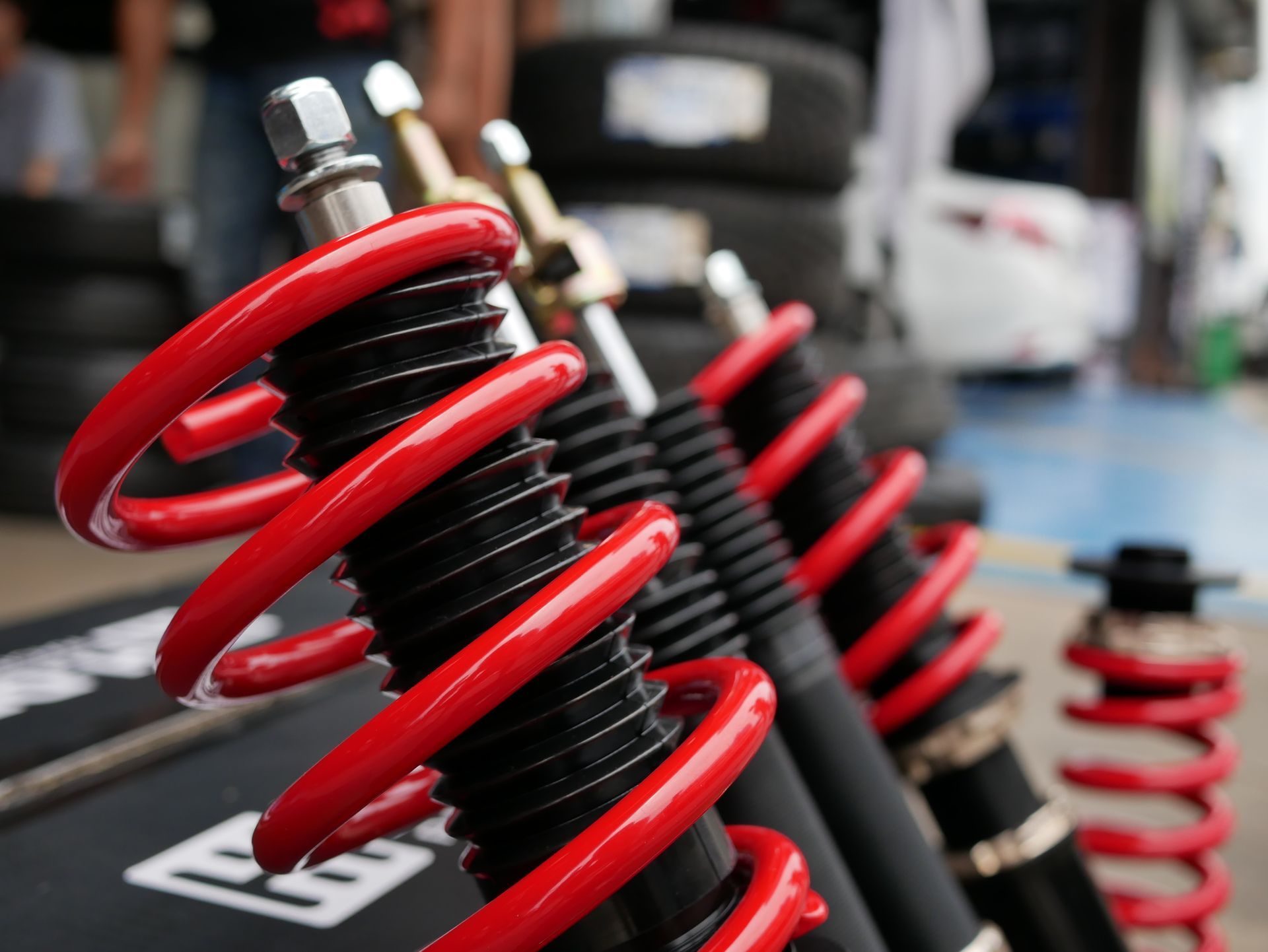
Your suspension system affects handling, braking, and stability during slippery conditions.
Worn shocks, struts, or steering components can reduce control on icy roads and increase tire wear.
Alignment problems can also make winter driving more dangerous by causing:
- Pulling during braking
- Uneven tire contact
- Reduced traction
- Steering instability
At Mike’s Auto Repair in Lake Geneva, Wisconsin, suspension inspections are an important part of seasonal winter maintenance because proper vehicle control matters even more on snow-covered roads.
Road Salt Creates Long-Term Damage
One of the biggest threats to Wisconsin vehicles isn’t snow—it’s road salt.
Salt accelerates corrosion on:
- Brake lines
- Suspension components
- Exhaust systems
- Frame sections
- Fuel lines
- Undercarriage components
Routine car washes during winter help reduce salt buildup and protect your vehicle from premature rust damage.
Undercarriage cleaning is especially important throughout the winter season.
Emergency Winter Supplies Every Driver Should Carry
Even well-maintained vehicles can experience emergencies during severe weather.
Drivers in Wisconsin should consider carrying:
- Ice scraper
- Snow brush
- Flashlight
- Blanket
- Gloves
- Jumper cables
- Portable phone charger
- Small shovel
- Emergency roadside kit
Preparation can make winter breakdowns significantly safer and less stressful.
Why Preventative Maintenance Saves Money
Many winter repairs are preventable when maintenance is performed proactively.
Seasonal maintenance helps drivers avoid:
- Emergency towing
- Battery replacements during storms
- Accident-related repairs
- Premature tire replacement
- Frozen cooling system damage
- Expensive breakdowns
Preventative care almost always costs less than emergency repairs.
At Mike’s Auto Repair, we believe winter maintenance is one of the smartest investments drivers can make for long-term vehicle reliability.
Why Drivers Trust Mike’s Auto Repair in Lake Geneva, Wisconsin
Drivers throughout Lake Geneva, Wisconsin 53147 rely on Mike’s Auto Repair because we understand the demands local weather places on vehicles.
Our team focuses on:
- Thorough inspections
- Honest recommendations
- Reliable maintenance
- Quality repairs
- Long-term vehicle protection
We believe seasonal maintenance should be proactive, practical, and tailored to real-world driving conditions in Wisconsin.
Whether it’s battery testing, tire inspections, brake service, or fluid maintenance, preparing your vehicle properly before winter helps reduce stress and improve confidence behind the wheel.
Prepare Before Winter Arrives
Waiting until the first snowstorm to think about winter maintenance often leads to longer wait times, unexpected breakdowns, and avoidable repair costs.
Preparing early gives drivers time to:
- Address worn components
- Replace weak batteries
- Install winter tires
- Inspect critical safety systems
- Prevent cold-weather failures
Wisconsin winters are tough enough already. A properly maintained vehicle helps make winter driving safer, smoother, and far less stressful.